Leather vs Fabric Sofas: Which One Is Better for You?
- xpufurniture
- Oct 22, 2025
- 5 min read
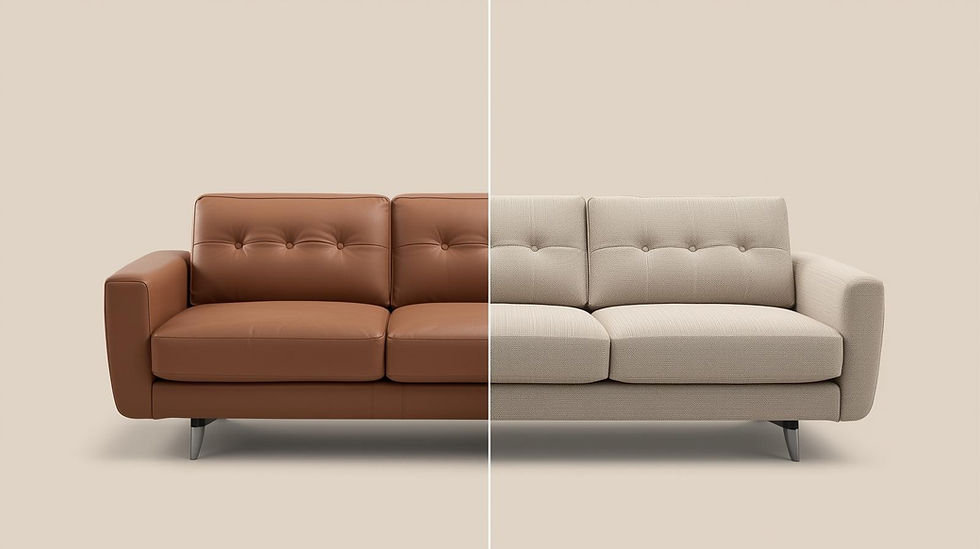
When it comes to choosing a sofa, most people find themselves stuck between two popular options: leather and fabric. Both materials have their own charm, comfort level, and practicality. The right choice depends on your lifestyle, taste, and budget. If you’re in the process of decorating or upgrading your living room, it helps to understand the pros and cons of each before making a decision.
This article takes a closer look at leather vs fabric sofas, comparing them in terms of comfort, durability, maintenance, appearance, and cost. Whether you are buying one for your home or sourcing options from a leather sofa exporter, this guide will help you figure out which sofa suits you best.
Comfort and Feel
Comfort is one of the main factors that influence a sofa purchase. Both leather and fabric sofas can feel great, but the experience is quite different.
Leather sofas have a smooth, cool surface that can feel luxurious. They adapt to your body temperature over time, becoming softer and more comfortable with use. However, in very hot or cold climates, leather can be temperature-sensitive—it might feel sticky in summer and chilly in winter.
Fabric sofas, on the other hand, are naturally warmer and softer. They often feel cozier, especially in air-conditioned or cooler rooms. The fabric’s texture makes it easy to sink into, giving a sense of comfort that leather sometimes lacks. For families who spend a lot of time lounging, a fabric sofa might feel more inviting.
If you want a sofa that looks elegant and structured, leather is the better choice. But if you value warmth and softness, fabric offers that cozy comfort many people love.
Durability and Longevity
Durability plays a big role in long-term satisfaction. Sofas are meant to last for years, so the material should stand up to daily use.
Leather is well-known for its toughness. A high-quality leather sofa can last for decades if cared for properly. It is resistant to tears, fraying, and fading, making it ideal for busy households. Spills can usually be wiped away without leaving stains, and the surface develops a patina over time that adds character.
Fabric sofas, while comfortable, generally have a shorter lifespan than leather ones. The fabric can wear out faster, especially if used frequently. Sunlight exposure can cause colors to fade, and stains can be difficult to remove. However, many modern fabrics are treated for stain resistance and durability, narrowing the gap between the two materials.
If you have pets or children, leather can be easier to manage. It doesn’t trap fur or dust the way fabric does. But fabric sofas can be reupholstered or slipcovered, allowing you to refresh their look over time.
Maintenance and Cleaning
When it comes to maintenance, leather and fabric have completely different care requirements.
Leather sofas are relatively low-maintenance. Most spills can be cleaned with a damp cloth, and regular dusting keeps the surface looking new. Every few months, applying a leather conditioner helps prevent cracks and dryness. That said, leather is sensitive to sharp objects and certain cleaning products, so care must be taken to avoid scratches or discoloration.
Fabric sofas need more attention. Dust, dirt, and stains tend to stick to the fibers, requiring regular vacuuming and occasional deep cleaning. Some covers are removable and washable, which makes maintenance easier. However, fabric also tends to absorb odors, so it might not be the best option if you smoke or have pets.
If convenience matters most to you, leather might be the smarter choice. But if you don’t mind putting in a little effort to keep your sofa fresh, fabric offers more flexibility in patterns and color options.
Appearance and Style
Leather and fabric sofas each have a distinct visual appeal, and your choice will likely depend on your interior design style.
Leather sofas carry a timeless, classic look. They work well in both traditional and modern spaces and instantly elevate the overall aesthetic. The material gives off a rich and polished vibe that suits formal living rooms, offices, or spaces with minimalist decor. A leather sofa exporter often offers a variety of finishes, from glossy to matte, so you can find one that matches your taste.
Fabric sofas, on the other hand, are available in endless colors, textures, and prints. They offer more room for creativity and can easily blend into any decor style. If you enjoy changing your interior design often, fabric gives you the freedom to experiment.
Leather tends to age gracefully, developing a vintage look over time, while fabric can start to show signs of wear. The key difference is that leather gains character as it ages, while worn fabric often just looks old.
Cost and Value
Price is another major deciding factor. Leather sofas are usually more expensive than fabric ones due to the cost of materials and craftsmanship. But they also offer greater longevity and a premium look that can justify the higher investment.
Fabric sofas are more budget-friendly and available in a wide range of price points. You can easily find stylish designs without spending too much. However, they might require replacement sooner, especially if used heavily.
When considering long-term value, leather sofas often come out ahead. They last longer, require less maintenance, and retain their appearance for years. Still, if you like to update your furniture frequently or prefer variety in colors and designs, fabric might give you more flexibility without a large upfront cost.
Lifestyle Considerations
Your daily lifestyle should play a big role in your decision.
If you have kids or pets, a leather sofa is often easier to maintain. Spills can be wiped up quickly, and it’s harder for odors or fur to cling to the surface. However, sharp claws or toys can scratch leather, so you’ll need to be careful.
Fabric sofas are better for people who prioritize comfort and warmth. They are perfect for families who like to relax together or for individuals who enjoy reading, watching movies, or napping on the couch.
Climate also matters. Leather is ideal for cool or dry environments, while fabric is more comfortable in warmer or humid places.
Environmental Impact
Sustainability is becoming more important to buyers today. Leather and fabric each have their own environmental considerations.
Leather production involves animal hides and chemical processing, which can have environmental implications. However, many companies now use eco-friendly tanning processes to reduce their carbon footprint. A leather sofa exporter that follows ethical sourcing and production standards can help make your purchase more sustainable.
Fabric sofas can also be eco-friendly, especially those made with organic cotton, recycled polyester, or natural fibers like linen or hemp. The key is to check how the material is made and whether the manufacturer uses sustainable practices.
Final Verdict: Which One Should You Choose?
So, leather vs fabric sofas—which one is better for you? The answer depends on what you value most.
Choose leather if you want a long-lasting, stylish, and easy-to-clean sofa. It’s ideal for homes with kids or pets and for anyone looking for a timeless piece that adds elegance to the room.
Choose fabric if you prioritize comfort, warmth, and versatility. It’s perfect for casual living spaces and for those who love experimenting with different colors and textures.
Both materials can be excellent choices when matched with the right lifestyle and setting. The best approach is to test each type in person, feel the material, and imagine how it fits your space. With proper care, either option can give you years of comfort and style.
Whether you buy locally or source from a trusted leather sofa exporter, make sure to prioritize quality and craftsmanship. A well-made sofa leather or fabric will always be worth the investment.


Comments