Fabric vs Leather Soft Beds: Profit Margin Comparison for Retailers
- xpufurniture
- Feb 6
- 5 min read
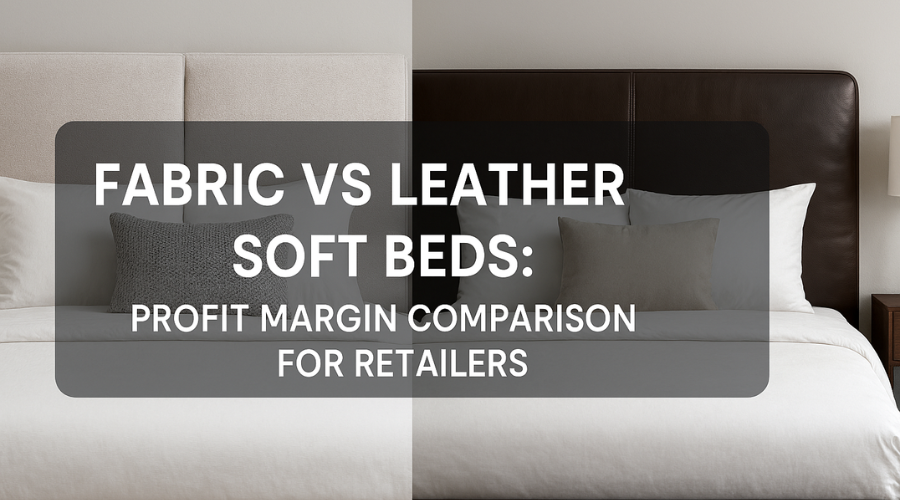
For furniture retailers, the decision to stock fabric or leather soft beds is more than a stylistic choice. It is a fundamental business calculation that directly impacts inventory investment, customer appeal, and, most critically, bottom-line profitability. Understanding the nuanced profit margin landscape between these two categories is essential for strategic buying and long-term success. This analysis strips away the fluff to examine the real financial considerations, from initial cost to final sale.
Understanding the Core Cost Structures
The journey to net profit begins with the cost of goods sold (COGS). Here, the divergence between fabric and leather beds is significant and sets the stage for all subsequent margin calculations.
Leather Soft Beds: The High-Stakes, High-Prestige Option
Leather beds command a premium. The COGS for a genuine leather or high-quality bonded leather bed is invariably higher than its fabric counterpart. The raw material is costly, and the manufacturing process requires specialized expertise. For a retailer, this means a greater upfront capital outlay per unit when placing a wholesale soft bed order.
This high initial investment creates a scenario in which absolute-dollar profit per unit can be attractive. If a leather bed costs $800 wholesale and sells for $1,600, the gross profit is $800. The gross margin percentage (gross profit divided by selling price) is 50% here. However, this seemingly healthy margin exists within a context of higher risk. The inventory cost is substantial, and the bed may occupy warehouse or showroom space for longer, as the target customer market is narrower due to the higher price point. Furthermore, leather beds are often more price-sensitive and subject to greater consumer comparison shopping.
Fabric Soft Beds: The Volume-Driven Margin Machine
Fabric beds, particularly those using popular synthetics like polyester or microfiber, present a different financial picture. The wholesale cost is substantially lower. A comparable fabric bed might have a COGS of $300. Sold at $899, it generates a gross profit of $599. While this is a lower absolute dollar amount than the leather example, the gross margin percentage is approximately 67%, significantly higher.
The lower price point opens the door to a larger addressable market. This facilitates faster inventory turnover, which is a critical lever for retail profitability. Turning stock quickly reduces holding costs, frees up capital for reinvestment, and minimizes the risk of obsolescence. The variety of fabric colors, textures, and headboard designs also encourages more frequent purchases and allows retailers to refresh their offerings seasonally without incurring exorbitant costs.
Beyond the Invoice: Hidden Factors That Erode or Enhance Margin
A simplistic look at purchase price and retail price is misleading. True net profit is shaped by several operational factors.
Shipping and Handling: Leather beds, often heavier and requiring more careful packaging to avoid scratches, typically incur higher shipping costs from the supplier to your warehouse. These costs eat directly into margin unless carefully factored into pricing.
Showroom and Sales Dynamics: Leather has an immediate perceptual value; it sells on prestige and perceived durability. This can sometimes lead to a shorter, more decisive sales cycle with fewer objections. Fabric beds, while appealing to a broader audience, may require more sales effort to highlight their qualities, such as stain-resistant treatments or cozy appeal. The sales commission structure, if applicable, will thus affect net profitability differently across categories.
Returns and Damage: Both materials have vulnerabilities. Leather can be more visibly scratched or damaged in transit, leading to potential write-offs or costly returns. Fabric beds may be subject to returns due to color mismatches (a significant issue with online sales) or claims of soiling. However, many fabric covers are now treated, and some are even removable and washable, which can mitigate this risk and be a strong selling point that protects margin by reducing returns.
Customer Lifetime Value: This is a strategic margin consideration. A customer who buys a mid-range fabric bed may be more likely to return for matching nightstands, dressers, and bedding sets, generating multiple sales from a single relationship. The higher entry price of a leather bed might limit immediate add-on sales for some customers, though it may attract a clientele with greater overall purchasing power.
Market Positioning and Brand Strategy
Your retail brand identity should influence your mix. A high-end boutique focusing on luxury and longevity will leverage the higher absolute profit and prestige of leather beds. A trendy, value-focused, or family-oriented store will likely find that the higher margin percentage and the faster turnover of fabric beds better align with its business model and customer expectations.
Furthermore, the rise of performance fabrics, such as Crypton, Sunbrella, and advanced microfibers, has blurred the line. These fabrics offer leather-like benefits of durability and easy cleaning at a lower cost structure, allowing retailers to command a premium price with a still-advantageous COGS, thereby maximizing margin potential.
The Verdict: It is About Mix and Mindset
There is no universal winner in the fabric-versus-leather profit-margin debate. Instead, the answer lies in a balanced, informed inventory strategy.
Prioritize Margin Percentage and Turnover: If your goal is to maximize inventory efficiency and achieve strong, consistent net profits, a focus on fabric soft beds is prudent. Their higher margin percentage and faster turnover rate generate reliable cash flow and reduce business risk.
Leverage Leather for Premium Positioning: Use leather beds as statement pieces that elevate your showroom's perceived quality. They serve to capture higher-dollar sales and cater to a specific clientele. The key is to stock leather selectively, perhaps in best-selling styles or as customizable options, to avoid excessive capital tie-up.
The Wholesale Relationship is Key: Your access to favorable wholesale soft bed pricing is paramount. Building strong relationships with suppliers for both fabric and leather lines can improve your COGS, payment terms, and exclusivity. Negotiating better prices on leather can make its margins more attractive, while sourcing unique fabric designs can enable stronger retail markups.
Actionable Insights for Retailers
Crunch Your Own Numbers: Do not rely on industry averages. Analyze your specific landed cost (wholesale price plus shipping) for each bed type and compare it to your actual selling prices. Calculate your true gross margin percentage for each category over the last 12 months.
Analyze Turnover Rate: Calculate how many times per year you sell through your inventory of fabric beds versus leather beds. A bed with a slightly lower margin that turns six times a year is far more profitable than a high-margin bed that turns twice.
Consider the Floor Space Cost: Evaluate the sales per square foot for each bed type. A fabric bed that sells quickly may generate more revenue from its showroom space than a lingering leather bed.
Listen to Your Market: Your location and clientele dictate everything. Urban, luxury-focused stores will have a different optimal mix than suburban stores catering to young families or pet owners.
In conclusion, fabric-soft beds generally offer retailers a path to higher margins and faster inventory turnover, which are the engines of retail profitability. Leather-soft beds offer opportunities for higher-ticket sales and brand elevation but come with greater financial risk and slower turnover. The most profitable retailers are those who understand these dynamics intimately, curate their inventory with a strategic balance, and leverage their wholesale soft bed partnerships to secure the best possible cost structure for both materials. By making data-driven decisions that align with their brand and customer base, retailers can ensure their soft bed offerings are not just beautiful but profoundly profitable.


Comments